Source cgl200 engine motorcycle for Cargo, Racing, and Daily Use
Compare 30 cgl200 engine motorcycle options featuring 150cc to 200cc displacements, air cooling, and LED lighting. These models support cargo transport, racing, and daily commuting with digital dashboards and alloy wheels; compare the available evidence and request quotations based on your requirements.
Key considerations
Products List






Comprehensive Sourcing Guide
cgl200 Engine Motorcycle Sourcing Guide
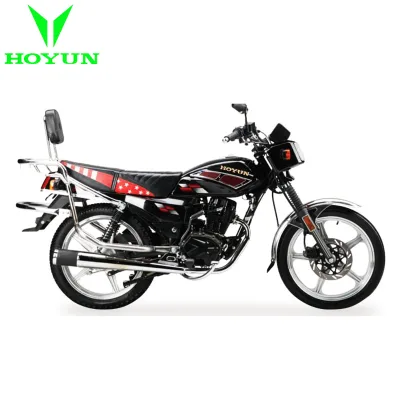
The cgl200 engine motorcycle represents a versatile segment of cargo and utility transport, often featuring displacement ranges between 126cc and 250cc with specific 150cc or 200cc variants available. Buyers should note that while some listings highlight racing configurations, the primary market signal points toward cargo motorcycles designed for heavy-duty utility work in emerging markets. This duality requires careful filtering to ensure the selected unit matches the intended operational load rather than a high-performance racing profile.
Procurement decisions must account for the specific engine architecture, which predominantly utilizes a 4-stroke, air-cooled design to balance durability with maintenance simplicity. The observed product data indicates a fuel tank capacity ranging from 12.5L to 15L, providing sufficient range for extended commercial routes without frequent refueling stops. Sourcing agents must verify that the specific model number, such as SL150-CG001 or SL200-F5, aligns with the required power output, which typically sits between 9.0kW and 13kW at 8500 RPM.
Product Scope and Observed Listing Signals
The current market listing signals reveal a diverse inventory where cargo motorcycles coexist with racing models, necessitating strict attribute verification before order placement. Buyers will observe variations in braking systems, ranging from front disc and rear drum setups to full dual disc configurations, which directly impact safety and stopping power for heavy loads. It is critical to distinguish between these configurations, as the braking mode is a primary differentiator for commercial utility vehicles versus sport-oriented machines.
Physical dimensions and packaging standards also vary significantly across the observed product range, with overall sizes spanning from approximately 1960mm to 2100mm in length. The supply chain frequently offers CKD or SKD packing options, allowing buyers to manage assembly costs and logistics flexibility based on their local manufacturing capabilities. When evaluating listings, purchasers must cross-reference the stated dimensions against their specific cargo requirements to ensure the vehicle fits within intended transport or storage constraints.
Technical Specifications to Verify
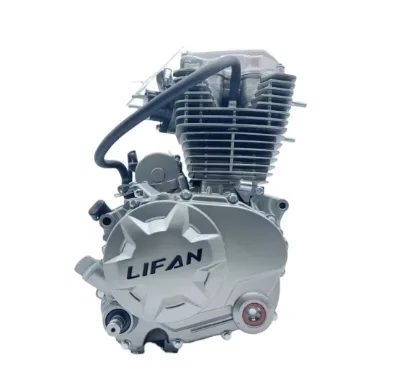
Engine displacement and power delivery are the most critical technical parameters, with observed models ranging from 150cc to 200cc engines delivering maximum power outputs between 9.0kW and 13kW. Buyers must confirm the exact engine type and cooling method, as the standard air-cooling system is prevalent but may require specific maintenance protocols in high-temperature environments. Verifying the specific model number, such as cg200 or SL200-F9, ensures the engine matches the expected torque characteristics for the intended cargo weight.
Chassis and wheel specifications further define the vehicle's stability and load-bearing capacity, with alloy wheels and tire sizes like 2.75-18 front and 3.00-18 rear being common observations. The fuel tank capacity, typically observed between 12.5L and 15L, must be validated against the expected daily mileage to prevent range anxiety during commercial operations. Additionally, the presence of digital speedometers and LCD dashboards indicates a modernization trend, though buyers should confirm the reliability of these electronic components in dusty or wet working conditions.
Compliance and Safety Documentation
Certification requirements for the cgl200 engine motorcycle vary by destination market, with observed listings frequently citing CE, EEC, COC, CCC, EPA, CQC, and DOT approvals. Procurement teams must verify that the specific batch of motorcycles holds the necessary certifications for the target export region, as a unit certified for domestic Chinese markets may not legally operate in Europe or North America without additional testing. The presence of multiple certification codes in a single listing does not guarantee universal compliance, requiring explicit confirmation from the supplier for the specific model being purchased.
Safety features such as optional ABS systems and braking modes must be documented with corresponding test reports to ensure they meet local regulatory standards. While some listings mention sport-type mufflers, buyers should ensure that noise emission levels comply with environmental regulations in the destination country. The absence of a specific safety standard in the product description should trigger a request for third-party test results, particularly regarding braking performance and lighting systems, which are critical for road legality.
Cost Drivers and Commercial Terms
The observed price range for these motorcycles spans from $0.30 to $1100, a variance that reflects differences in engine displacement, brand reputation, and included accessories. Buyers must analyze whether the lower price points correspond to basic cargo models or if they include essential features like LED lighting and alloy wheels, as these attributes significantly influence the total cost of ownership. Understanding the breakdown of the unit price helps in negotiating better terms, especially when ordering in larger quantities where economies of scale may apply.
Minimum Order Quantities (MOQ) are flexible, with observed values ranging from 1 unit to 500 units, allowing small businesses to test the market with minimal capital risk. However, larger orders often unlock better pricing tiers and more favorable shipping terms, making it essential to calculate the total landed cost including freight and duties. Suppliers frequently offer sample units for evaluation, which serves as a vital step in validating quality before committing to a bulk purchase order.
Supplier Qualification and Quality Control
Supplier qualification should focus on the origin of the product, with Chongqing, China, identified as a primary hub for this type of motorcycle manufacturing. Buyers must verify the supplier's production capacity and their ability to maintain consistent quality across different model numbers, such as the SL150-17A or SL200-F9. The availability of customization options suggests that suppliers can adapt the product to specific buyer requirements, but this flexibility must be managed through clear technical specifications to avoid production errors.
Quality control protocols should include a rigorous inspection of the engine assembly, braking systems, and paint finish before shipment. Since the condition is listed as new, buyers should request pre-shipment inspection reports that confirm the absence of manufacturing defects and verify that all components match the agreed specifications. Establishing a clear communication channel for addressing potential quality issues is essential, especially when dealing with customized orders or mixed model shipments.
Long-Term Procurement Checks
Sustainable procurement requires a focus on the availability of spare parts and the longevity of the engine components, particularly for the 4-stroke air-cooled engines common in this segment. Buyers should assess the supplier's track record for providing after-sales support and the availability of replacement parts like tires, brakes, and engine components over the long term. A reliable supply chain ensures that the fleet remains operational with minimal downtime, which is crucial for commercial cargo operations.
Regular performance reviews of the purchased units will help identify any recurring issues related to the braking mode, fuel efficiency, or electronic dashboard reliability. Buyers should establish a feedback loop with the supplier to report any field failures, ensuring that future production batches incorporate necessary improvements. Monitoring the lead times and production schedules is also vital to maintain inventory levels and meet customer demand without interruption.
FAQs
What engine specifications are available for cgl200 engine motorcycle models?
Available models include 150cc and 200cc displacement options. The 200cc variant delivers 13kW power at 8500 RPM. The 150cc version offers 9.0kW power. Both use 4-stroke air-cooled engines. Fuel tank capacities range from 12.5L to 15L. These specifications support various cargo and racing applications effectively.
Can I customize the cgl200 engine motorcycle for specific needs?
Yes, customization is available for these motorcycle models. Buyers can select specific configurations to match operational requirements. Options include different braking modes and lighting systems. The product supports CKD or SKD packing for assembly flexibility. This allows tailored solutions for diverse market demands and logistical preferences.
What certifications do these cgl200 engine motorcycles hold?
These motorcycles hold multiple certifications including CE, EEC, COC, CCC, EPA, CQC, and DOT. These credentials ensure compliance with various international standards. Buyers can verify specific certification requirements for their target markets. The documentation supports global trade and regulatory adherence for imported vehicles.
What is the minimum order quantity for cgl200 engine motorcycles?
The minimum order quantity starts at 1 unit for some models. Other listings may require up to 500 units. This flexibility supports both sample testing and bulk procurement. Buyers should verify the specific MOQ for their chosen model. This range accommodates small businesses and large distributors effectively.
Where are these cgl200 engine motorcycles manufactured?
These motorcycles originate from China, specifically Chongqing. The region is known for robust manufacturing capabilities. Buyers can expect consistent production standards from this location. The origin supports efficient logistics and supply chain management for international orders.
What braking systems are used in these cgl200 engine motorcycles?
Braking configurations vary by model. Some feature front disc brakes with rear drum brakes. Others offer front and rear disc brakes for enhanced stopping power. ABS is available as an optional feature on select models. These systems ensure reliable performance for cargo and racing applications.